
If I Were Building a Dealership Today, Here's What I Would Do Differently
Seven Decisions Dealers Need to Rethink Before 2027
Presented by 
|
Hello Everyone!
What would you change if you were building your dealership or group today? Chances are, based on your current tech stack, long-time marketing strategies, staffing counts and the focus of your leadership team, it would be a lot. This issue includes David's seven decisions dealers need to rethink before 2027 and what some dealers have already done to begin dominating in their market.
In this issue:
➜ Sorry to Disrupt You - If I Were Building a Dealership Today, Here's What I'd Do Differently (6 min) | ➜ The Playbook - The Dealership Rebuild Playbook (3 min) |
➜ Industry Spotlight - Jens Monsees: Is Your Showroom Still Where the Decision Gets Made? (1.5 min) | ➜ Featured Podcast - Bill Cariss: How to Grow Your Dealership Without Hiring More (1 min) |
➜ Let's Get Social - When new-car sales slow, where does your store turn? (45 sec) | ➜ Hits & Misses - What's Working, What Isn't, and Why It Matters. (6 min) |
Thanks for reading!
| Sorry to Disrupt You |
If I Were Building a Dealership Today, Here's What I'd Do Differently
Seven decisions dealers need to rethink before 2027
By David Spisak

I ran a Mercedes-Benz dealership in San Jose that generated $29 million in annual profit. If I were starting from scratch, I wouldn't rebuild the dealership I operated in 1999. Not even close.
The automotive industry has changed dramatically over the past 28 years, but I see dealers across the country still operating the same way they did 10, 20, or even 30 years ago. They’ve added technology, hired additional staff, and even invested millions in their facilities, but at their core, they’re running the same business.
Consider: If you were starting from scratch today, would you build the same dealership you're operating right now?
I wouldn't.
Here's what I'd do differently.
Choose the Franchise Carefully

If I were to buy a dealership today, I would focus on the franchise. Each franchise has either a headwind or a tailwind. Generally speaking, Toyota, Lexus, Porsche, Honda, and others have a tailwind. Other franchises, like Lincoln, Acura, Genesis, Volvo, Stellantis, and Volkswagen, have headwinds. Ultimately, though, the franchise doesn't dictate whether you end up with a highly successful business. It's the operator. Leadership, people, and processes determine your success.
My goal, regardless of the franchise, would be to become the #1 dealer in my market. If I am the fifth- or sixth-best-performing dealer for my franchise, I have a serious problem.
Why? Because new-car volume creates opportunities throughout the dealership, from trade-ins and F&I products to manufacturer incentives, accessories, and future service revenue. My ability to cover all of my dealership's fixed expenses depends on new-car demand.
Start With a Zero-Based Budget

Most dealers approach financial planning through the lens of last year's financial statement. They ask where they can reduce expenses by 5% or increase revenue by 10%. That's not how I'd do it.
I can't reinvent my business by making incremental adjustments to an outdated operating model. Instead? I'd start with a blank financial statement. Forget what my dealership currently spends. What should it spend? How much service revenue should we generate? How many employees should we have? What should our operating expenses be?
I'd build the financial model for the dealership I want to operate, then compare it to the dealership I have. The difference between those two financial statements would tell me where to focus.
Build Around the Real Profit Opportunity

New cars will never be the same again, no matter the franchise. I'd build my operation around the departments with the greatest opportunity to generate sustainable profit: used vehicles, parts, service, and finance.
For decades, dealerships have operated on the assumption that selling one used car for every new car is the gold standard. It’s time to discard that outdated advice. My goal would be to sell two or three used vehicles for every new vehicle.
Not only that. Let’s say I own a Ford dealership. A customer brings his F-150 in for a brake job. His wife drives a Nissan Pathfinder that's out of warranty. Why shouldn't I service her vehicle, too?
My technicians already work on other manufacturers' vehicles when we recondition used-car inventory. Why wouldn't I extend that capability to customers? I'd make it a strategic priority to compete for business with independent repair shops, tire stores, and quick-lube facilities.
Put Leadership Attention Where the Profit Is

I recently reviewed a dealership where approximately 65% of its profit came from parts and service. Yet leadership spent most of its time on vehicle sales. That makes absolutely no sense. Management’s attention should go to departments that currently generate, or have the potential to generate, the majority of the store’s profit.
I'd also reconsider the traditional path to becoming a general manager. Most GMs come up through the sales department. If fixed operations represents the majority of my dealership's sustainable profit opportunity, wouldn't it make sense to consider a leader who came up through parts, service, or the business office?
Staff for the Process, Not for Tradition

Between 2008 and 2018, the average dealership grew from around 53 employees to roughly 66. During that same period, dealerships invested millions in technology promising to make their operations faster, more efficient, and more productive. Yet the average dealership added approximately 13 employees. If technology is making us more efficient, why did we need more people to do the work?
In too many cases, we added people to accommodate inefficient processes rather than fixing the processes themselves. If I were building a dealership today, I'd start by designing the most efficient operating processes possible. Then I'd determine how many people I need to execute them. Not the other way around.
My dealership would look more like a Silicon Valley company than a traditional car dealership. It would be data-centric, process-driven, and disciplined. I'd value my employees' experience and judgment, but I wouldn't run the business based on somebody's gut feeling. Data would lead our decisions.
Let Customers Design Their Buying Experience

Customers can buy almost anything they want, whenever and wherever they want. Why should buying a car be different? At my dealership, customers could purchase a vehicle online or in person, at the store or from their living room. They could choose how much of the process they want to complete themselves and when they want assistance. I'd make the experience transparent, convenient, and consistent across every channel.
Importantly, I understand that you cannot create a frictionless customer experience with a friction-filled employee experience. If my employees have to navigate disconnected software, duplicate data entry, and unnecessary administrative tasks, that friction eventually reaches the customer. So I’d invest in technology that works together, eliminates unnecessary work, and lets employees spend more time building relationships. I would also regularly audit our technology stack to ensure that each product is (and continues to be) an asset, not a liability.
Rethink My Approach to Capital

Every dollar invested in my dealership needs a purpose, whether it's inventory, facilities, employees, or technology. I'd evaluate each capital decision through the same lens: What return am I generating?
If I'm carrying vehicles that aren't selling, that's capital tied up in depreciating inventory. If I'm investing in technology that doesn't improve productivity or profitability, that's money I could have deployed elsewhere. If I'm building a multimillion-dollar facility that doesn't generate a corresponding return, I'm creating an unnecessary financial burden.
I'd be a great partner to my manufacturer, but I wouldn't blindly accept inventory or make investments that jeopardize my dealership's financial health. My responsibility is to operate a sustainable, profitable business. That means understanding the economics of every major decision.
The Bottom Line
The Choice Is Yours
Dealers, you have a choice… you can continue making small adjustments to the dealership you've always operated OR you can challenge the assumptions that shaped that dealership to begin with.
The objective isn't to preserve the dealership that made you successful yesterday.
It's to build the dealership that will make you successful tomorrow.

| The Playbook |
The Dealership Rebuild Playbook
8 steps to turn the article into action. Start with your current store and your own economics.
01 | Challenge the Operating Model List three assumptions you would challenge if starting from scratch. Assign an owner and a measurable result to each. |
02 | Turn the Franchise Opportunity Into a Store Plan Identify your franchise headwinds and tailwinds. Capture the trade, F&I, and service opportunities created by each customer. |
03 | Build the Financial Statement You Want Build the financial model for the store you want. Compare it with actual results and rank the five largest controllable gaps. |
04 | Expand the Sustainable Profit Opportunity Plan profitable used-vehicle growth and an all-makes service offer. Match the opportunity to sourcing, recon, staffing, and capacity. |
05 | Align Leadership Attention With Profit Opportunity Align the leadership agenda with profit and improvement opportunity. Develop leaders beyond the traditional sales pipeline. |
06 | Design the Process Before the Staffing Plan Observe one high-friction workflow. Remove duplicate work and test the improved process before setting its staffing needs. |
07 | Give Customers Choice and Remove Employee Friction Test online-to-store handoffs. Fix repeated information, lost progress, and employee workarounds that reach the customer. |
08 | Put Every Major Investment Through a Capital Review Rank major investments by purpose, return, timing, and cash commitment. Fund three priority actions and review progress weekly. |
OPERATING PRINCIPLE The objective isn't to preserve the dealership that made you successful yesterday. It's to build the dealership that will make you successful tomorrow. |
| Industry Spotlight |
Is Your Showroom Still Where the Decision Gets Made?
Jens Monsees, CEO of Infomedia, writes that ten years ago the average car buyer visited 4.5 dealerships before purchasing, and today visits 1.4. The customer arrives already informed, with the decision largely made. His argument: the sales floor's skill set, staffing model and conversion metrics were all designed for a customer who came in to compare. The dealers performing well treat the digital experience as the showroom and the physical store as the closing room.
Source: LinkedIn • Jens Monsees | Read More
DAVID’S TAKE If the customer has already done most of the work online, why does our process make them start over in the store? Let customers decide how much of the process they complete themselves and when they want help. Then make sure every handoff between online and in-store actually works. The store is where the decision gets confirmed. Or lost. DS |
| Featured Podcast |
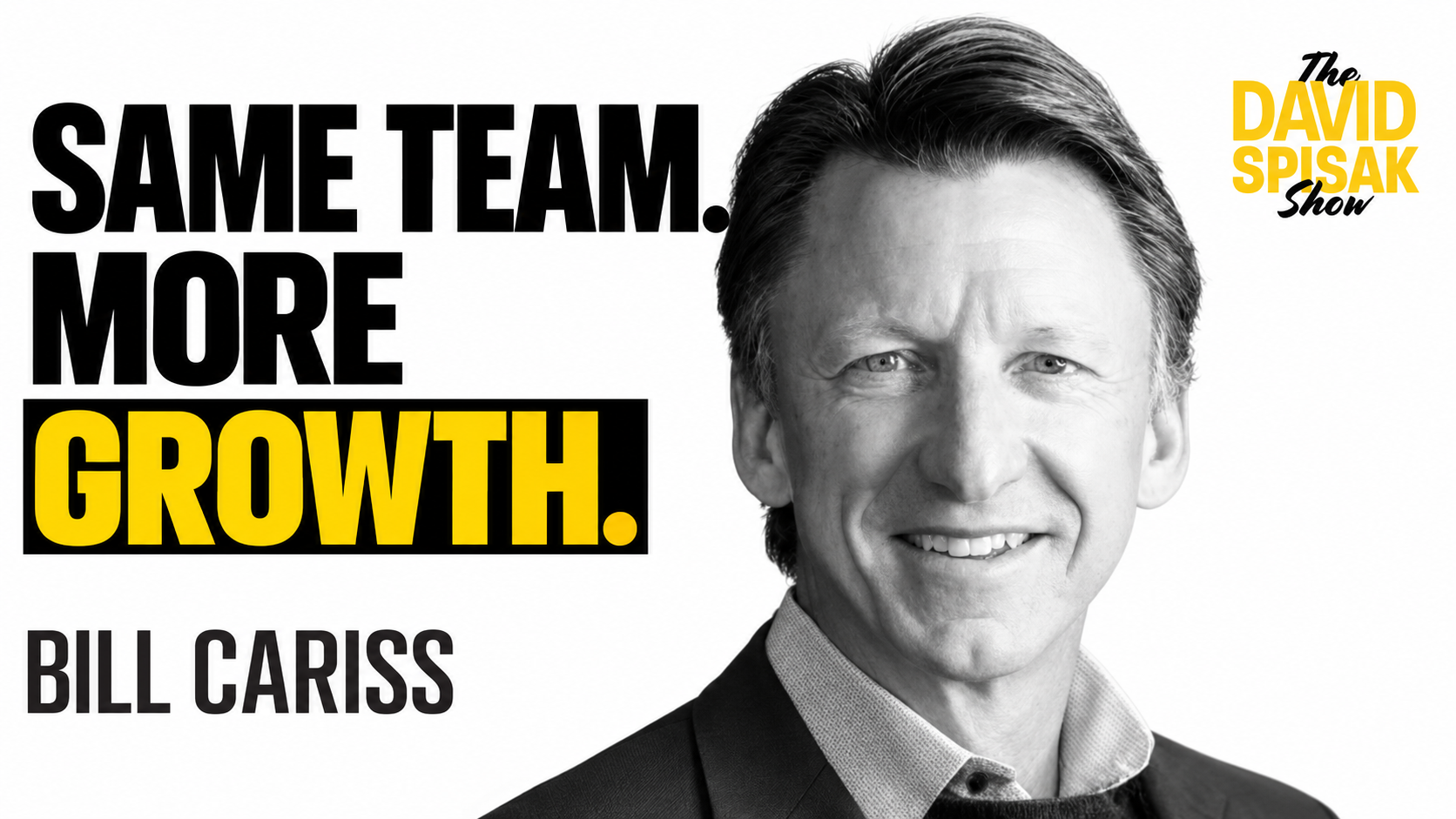
Bill Cariss: How to Grow Your Dealership Without Hiring More
October 22 • 21m
Bill Cariss of Holman Ventures invests in AI, robotics and emerging automotive technology, which gives him a firsthand view of which innovations are gaining traction, where investors are placing their bets, and what dealerships need to prepare for before the industry catches up.
Recorded at the Presidio Group's Automotive Technology Summit, the conversation covers Holman Robotics, which puts autonomous robots to work moving parts through dealership service departments and has been selected by a major publicly traded dealer group as its robotics supplier, and why the next competitive advantage may depend less on adopting more technology than on how intelligently dealers connect their systems, protect their data and deploy AI.
Why it belongs in this issue: this issue asks why dealerships kept adding people while they kept adding technology. Bill's answer is that the advantage comes from connecting systems, protecting data and deploying AI where it removes work. That is how I would staff a dealership built today: design the process first, then decide how many people it takes.
Listen or watch the full episode on:
Apple Podcasts | Spotify | YouTube
| Let's Get Social |

When new-car sales slow, where does your store turn?
For this Volkswagen store, the answer is service and used cars. It added 12 new service stalls and sources inventory straight from the street and the service lane.
That is Decision 3 from this issue in under a minute, from a store on a franchise our lead feature lists as a headwind. Build around the departments with the greatest sustainable profit opportunity, and buy the used inventory you need from the customers already in your drive.
Where is business coming from at your store right now? Join the conversation in the comments.
Clip: SamDarc (@samdarc1) on TikTok, October 29, 2026
| Hits & Misses |
▲ HIT - Good for Dealers
 |
| CBT News |
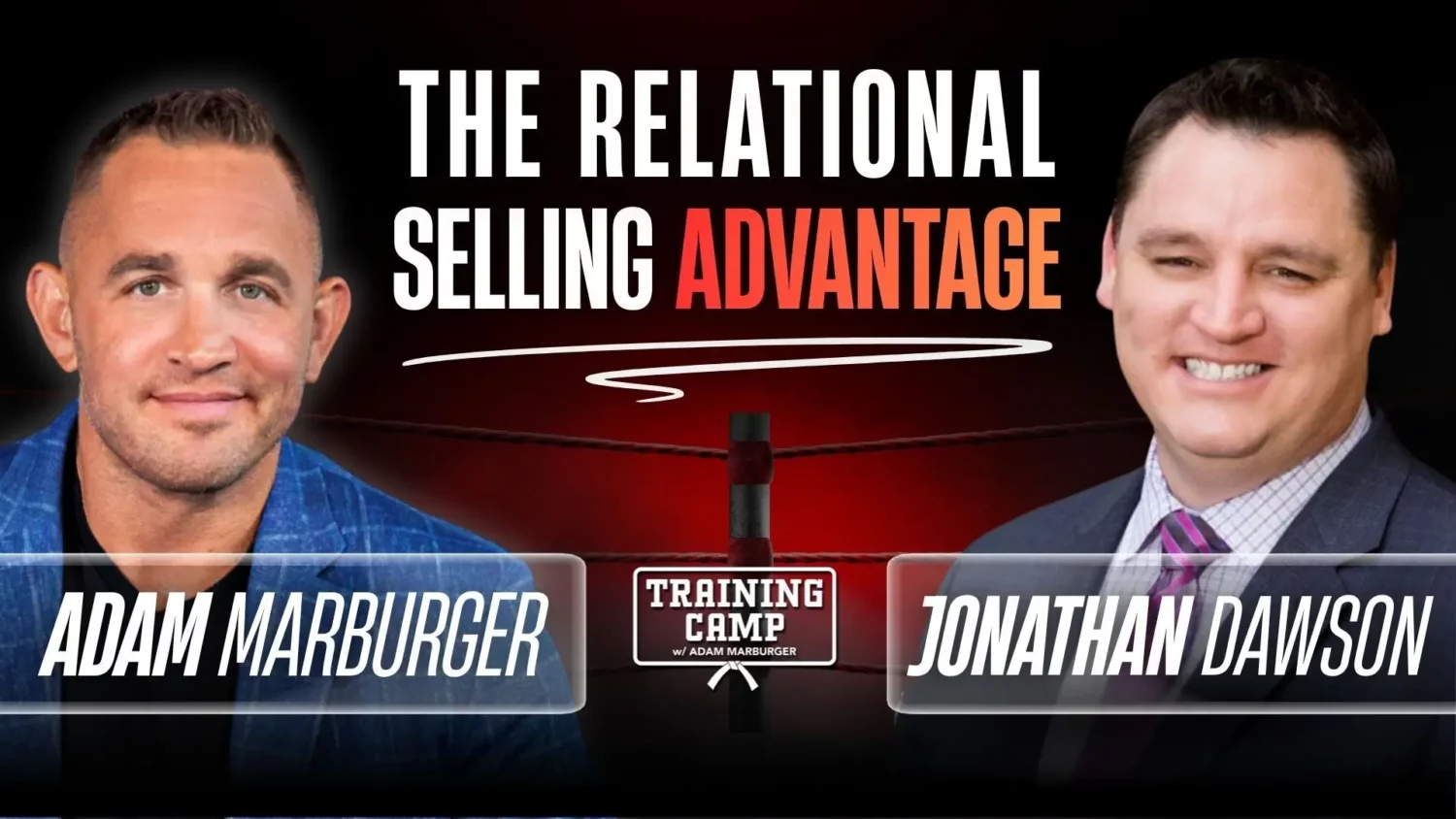
Jonathan Dawson bought a Mitsubishi store in June 2025 that averaged 8 to 12 units a month. In June 2026, it delivered 73 vehicles with three salespeople, a 450% year-over-year increase in volume. Dawson says most of those buyers were relational customers: referrals, repeat households and service conversions. That lets the store cut traditional advertising to a net $54.18 per vehicle.
DAVID’S TAKE Mitsubishi is not a tailwind franchise. That's the point. The franchise did not change. The operator did. If you have a headwind franchise, you have no excuse to quit. And if three salespeople can deliver 73 cars, ask yourself what your staffing model is really built around. DS |
▲ HIT - Good for Dealers
 |
| Getty Images / WardsAuto |
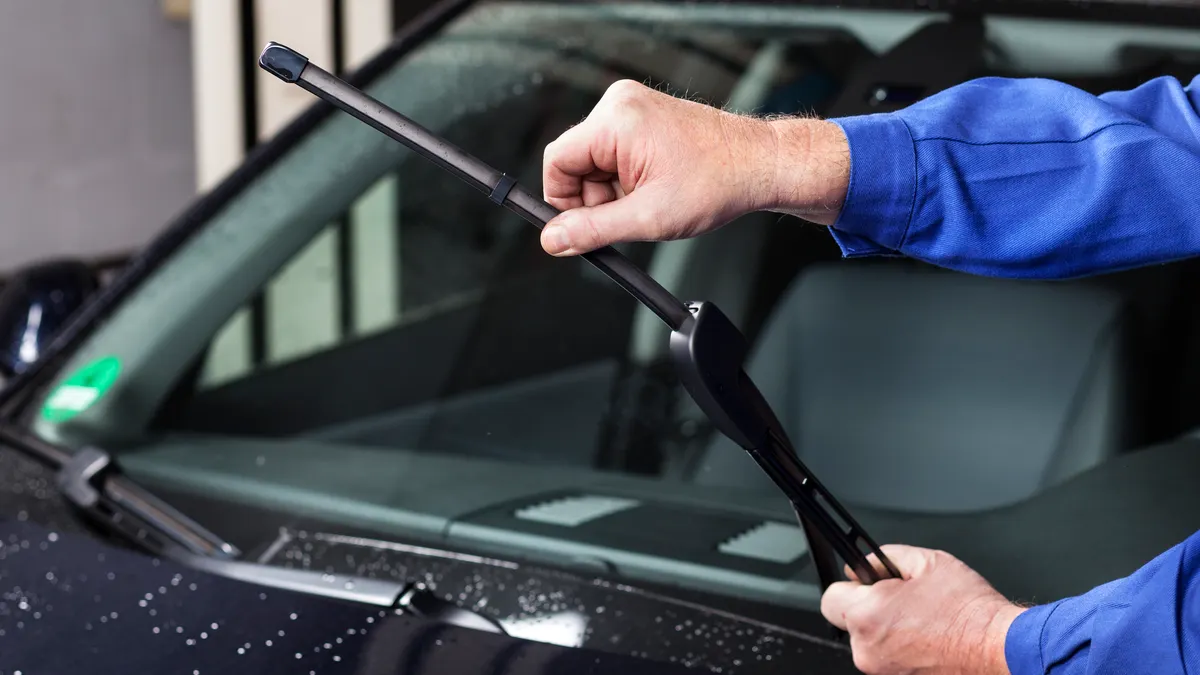
Lithia Motors CEO Bryan DeBoer says the company's U.K. stores, running Pinewood.AI, are generating around 10% to 11% additional service pre-sales as AI books appointments and asks about the items busy people forget, like wipers and tires. His guess for that number before AI: close to zero. Lithia plans to finish its U.S. rollout by 2028 and is looking for ways to move faster.
DAVID’S TAKE Read that again. The opportunity was always there. The process missed it. This is technology done right: one profit center, one measurable gap, one tool aimed at closing it. Hold every product in your stack to the same test. Does it eliminate work and make money, or does it just add another login? DS |
▲ HIT - Good for Dealers
 |
| Autobody News |
NADA's midyear data shows franchised dealers did $82.99 billion in service and parts sales on more than 136 million repair orders in the first half of 2026. Fixed operations revenue climbed 2.2% even as repair order volume dipped, and fixed ops rose to 13.6% of total dealership sales dollars, up from 13.2%. The share of dealers with an on-site body shop fell to 31.9%, from 33.4%.
DAVID’S TAKE Fixed ops is where the sustainable profit is, so put your leadership attention there. And every department, the body shop included, has to earn its capital. Keep it or exit it on the numbers. Not on tradition. DS |
▲ HIT - Good for Dealers
 |
| Cox Automotive |
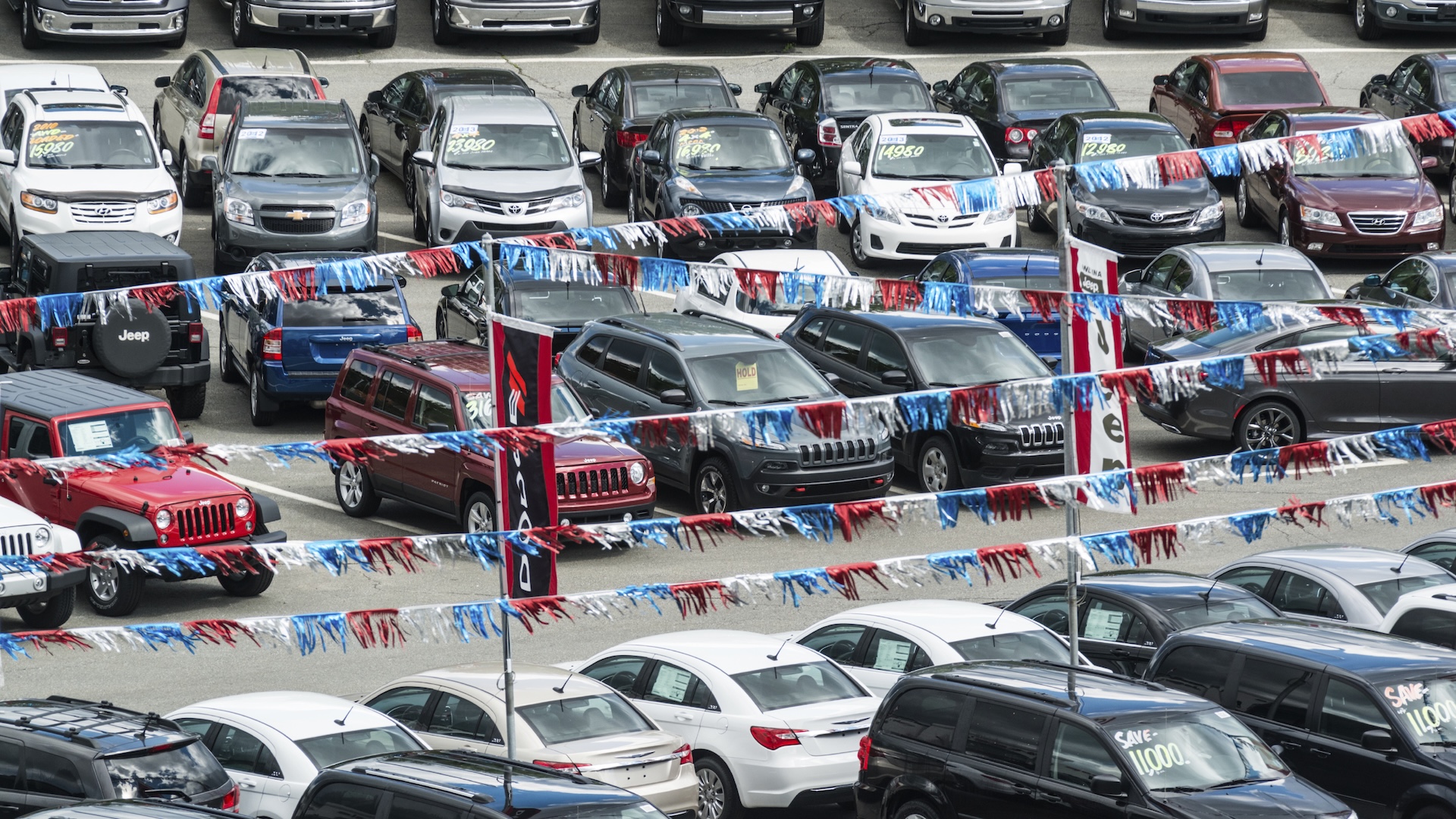
Certified pre-owned sales ran about 213,525 in September, up 10% year over year. Used inventory climbed to 2.21 million units at 49 days' supply, but vehicles under $15,000 had just 34 days' supply, and supply in that price band was down 16.2% from a year ago. The average used listing price hit $27,235.
DAVID’S TAKE Factory certification is a franchise dealer's advantage. Use it. You will not get to two or three used for every new by bidding at auction against everyone else. You get there by buying from the street and the service lane, then certifying everything that qualifies. DS |
▲ HIT - Good for Dealers
 |
| Getty Images / Fortune |
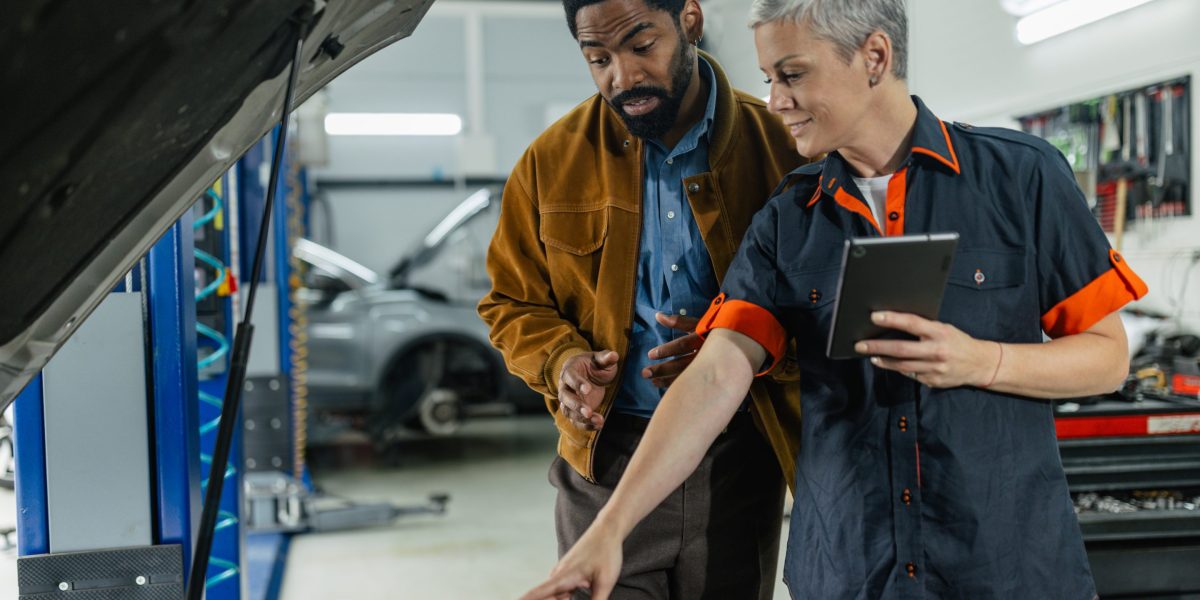
Dealer service and parts sales grew 48% over five years, to $164.6 billion, per NADA. But 42% of Americans named a chain like Jiffy Lube, Meineke or Walmart as their primary service provider in 2025, up from 20% in 2020. The average passenger car is now 14.5 years old. Tim Pohanka calls service the biggest opportunity as margins on car sales compress.
DAVID’S TAKE He's right. Many of those owners are out of warranty and up for grabs, and the chains are winning them on convenience. Your service department shouldn't exist only to support your franchise. It should exist to serve your market. Compete for that business, or keep watching it leave. DS |
▲ HIT - Good for Dealers
Asbury Automotive Group Reports Third Quarter Results
Asbury Automotive Group completed its company-wide conversion to Tekion in mid-October, and every active store now operates on the platform. Its teams converted 47 stores in the third quarter alone, the most in any single quarter. In its longest-tenured Tekion markets, Asbury reports efficiency gains, with customer pay gross profit up 7%. Management says the company has “built a strong foundation to serve our guests, make faster decisions, and operate more efficiently.”
Source: Asbury Automotive Group (SEC filing) · October 27, 2026 | Read More
DAVID’S TAKE This is what it looks like to stop preserving the dealership you've always been and start building the one that will win now and in the future. More than 3,000 dealers have made this commitment to Tekion, and Asbury is the largest yet. Converting an entire public group is not a software purchase. It is a leadership decision to put every store in a position to dominate, using fully integrated AI agents and industry-leading innovation to deliver a superior customer experience, raise associate performance and remove friction for both. DS |
▼ Miss - Hard on Dealers
 |
| Autoblog |
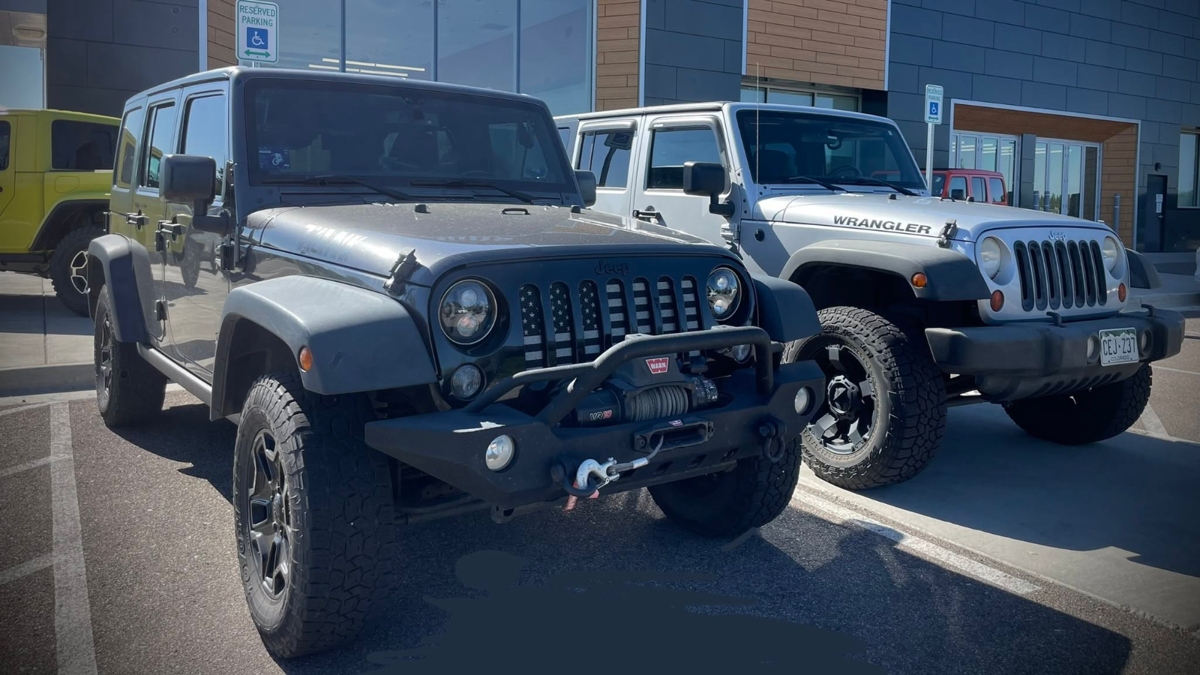
Jeep sales fell 20% in the third quarter, to 128,542 vehicles, and the brand is on pace for about 550,000 this year, its lowest total since 2013. About five years ago, roughly 600 Jeep dealers committed millions to broaden the brand's appeal and sell more accessories. In Fort Collins, Moreland Auto Group vice president Brandon Moreland says the Jeep store it opened in 2019 is only adding expenses as sales decline.
DAVID’S TAKE Be a great partner to your manufacturer. But every capital commitment needs a return you can defend on your own numbers, not on the factory's growth forecast. DS |
▼ Miss - Hard on Dealers
 |
| CBT News |
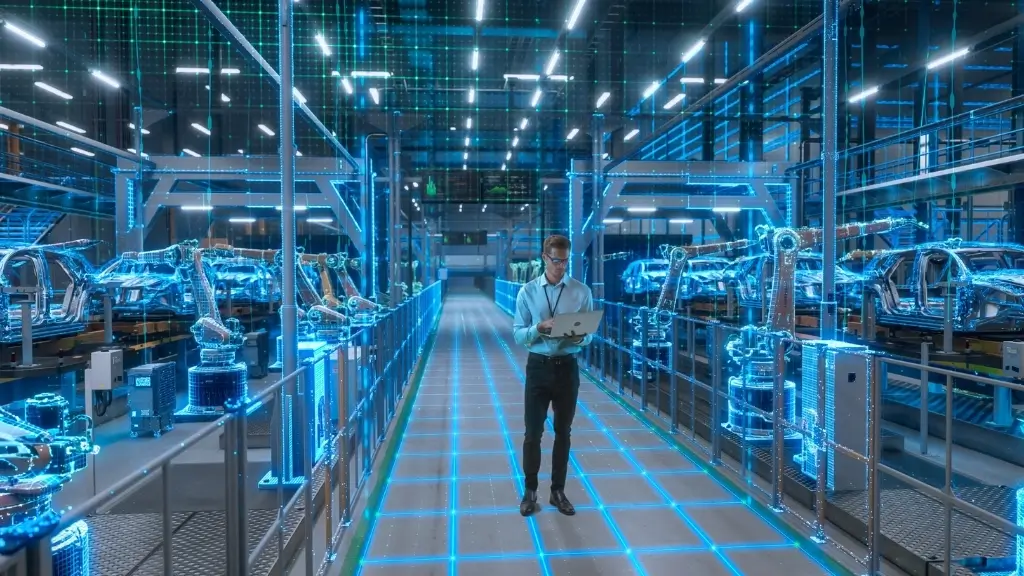
CDK's 2026 research found that 72% of F&I offices use four or more software solutions to complete a deal. One in four customers had to re-enter information after starting the purchase online, and those customers gave lower Net Promoter Scores. Buyers who waited less than 10 minutes to see an F&I manager rated the experience significantly higher.
DAVID’S TAKE You cannot create a frictionless customer experience with a friction-filled employee experience. Every extra system, every rekey and every handoff shows up in the customer's wait. Audit your stack. If a tool doesn't remove work, it's a liability. DS |
▼ Miss - Hard on Dealers
 |
| WardsAuto |
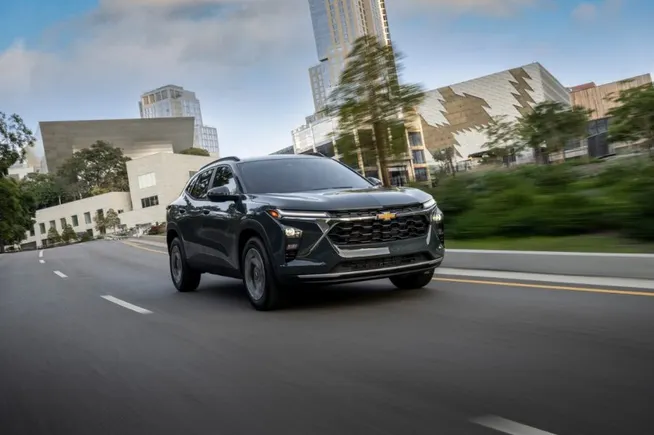
The Manheim index fell to 205.9 in September, down 0.6% from a year earlier and its first year-over-year decline of 2026. Regular gas averaged $4.36 a gallon on October 7, up nearly 40%. Since January, wholesale values fell 15% for vehicles rated under 15 mpg and 8.8% for those rated 15 to 19 mpg, while vehicles rated 40 mpg or better rose 9.9%.
DAVID’S TAKE If your used inventory is heavy on thirsty trucks and SUVs, that is capital depreciating on your lot every day. Turn discipline, sourcing and pricing have to respond to the market this week. Not next quarter. DS |
▼ Miss - Hard on Dealers
 |
| GoodCarBadCar |
Kerrigan Advisors estimates average dealership earnings fell 10% to 20% year over year, on rising operating costs and tough comparisons against a strong 2025. Buyers still closed a record 462 dealership transactions in the twelve months to June 30. Kerrigan also cut its blue sky multiples for Volkswagen and Audi, citing changing franchise performance.
DAVID’S TAKE The market is pricing franchise headwinds directly into what your store is worth, and costs are eating earnings faster than most budgets admit. Start with a zero-based budget. Forget what your dealership currently spends. What should it spend? DS |
About Disruptive Intelligence
Disruptive Intelligence is a biweekly newsletter delivering dealer-tested, data-backed strategies you can implement at your store right away. Take action on what's here and you're guaranteed to see your dealership's results improve in 2026 (and beyond).
Editorial independence: Disruptive Intelligence accepts no advertising and no pay-to-play placement. Companies and brands named in this issue, including vendors and featured guests, are cited as sources or examples, not endorsements, and none paid for inclusion.
© Disruptive Growth Solutions 2026 All rights reserved. This presentation and its content are protected by copyright laws. Unauthorized use or reproduction of any part of this presentation without prior written permission is strictly prohibited.
www.disruptiveintelligence.news
